Vehicle Forensics
Let us help you get it back!
- Experts with +15 years of experience
- Recovers data within 4-7 business days
- +24,200 Analyses Performed
What is vehicle systems forensics?
It is a process by which a wide range of data and information is extracted from vehicles, which can be used in collision and felony investigations. At Laby, we offer specialized services to support our customers in obtaining and analyzing vehicle data.
Our team at Laby is committed to providing our clients with comprehensive investigative support. We help achieve your goals by developing specific strategies, securing and preserving relevant evidence, conducting thorough investigations, and producing detailed and timely reports.
The Importance of Forensic Science in Vehicle Systems
At the intersection of automotive technology and criminal investigation lies a growing field that is revolutionizing the way we understand highway incidents and vehicle-related crimes: vehicle systems forensics.
This meticulous procedure involves extracting and analyzing a wide range of data and evidence from a vehicle, revealing a surprising amount of information that can be vital in serious crime and collision investigations across all sectors.
Computer forensics and expert evidence
Do you know what data a modern vehicle records? Vehicle systems forensics delves into this uncharted territory, taking advantage of the vast amount of information these systems collect during normal vehicle operation. From speed and location to driver usage patterns, this data can shed light on critical events, such as collisions or serious crimes.
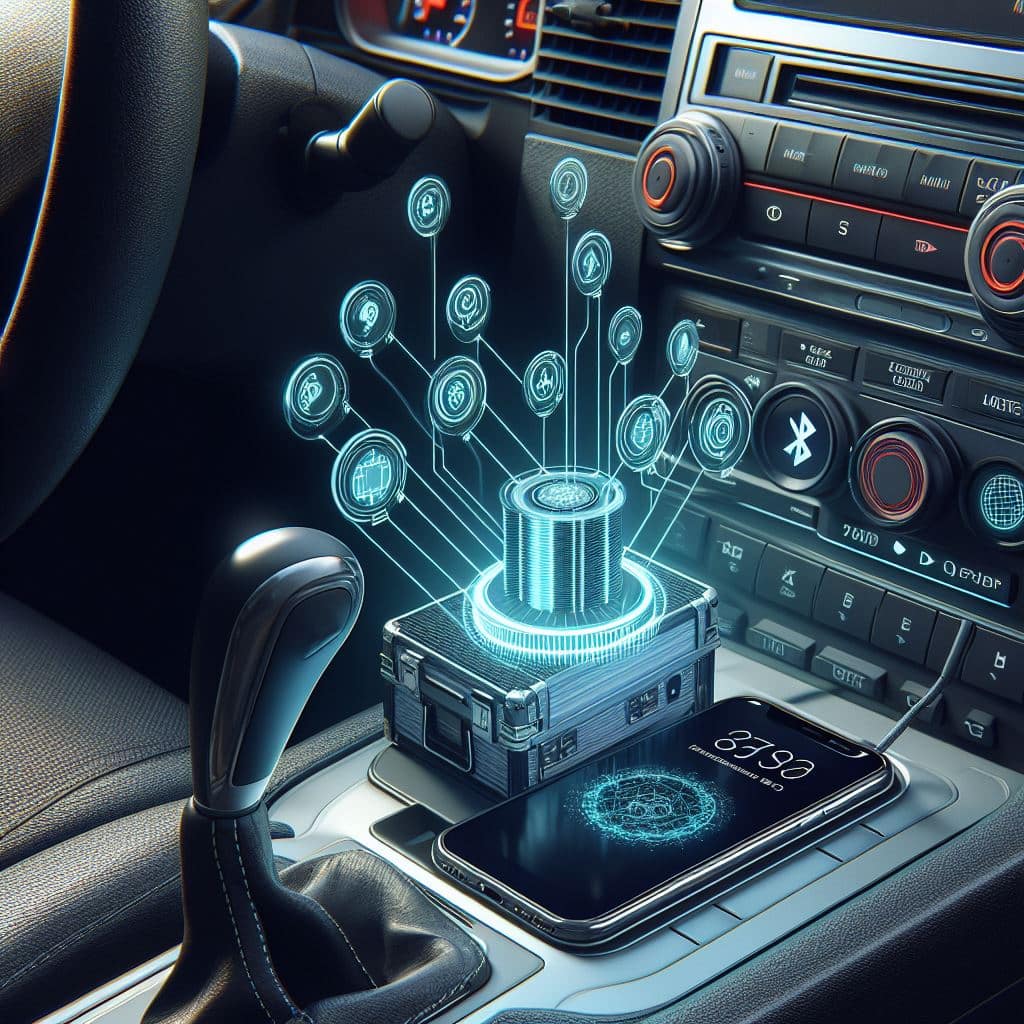
Infotainment
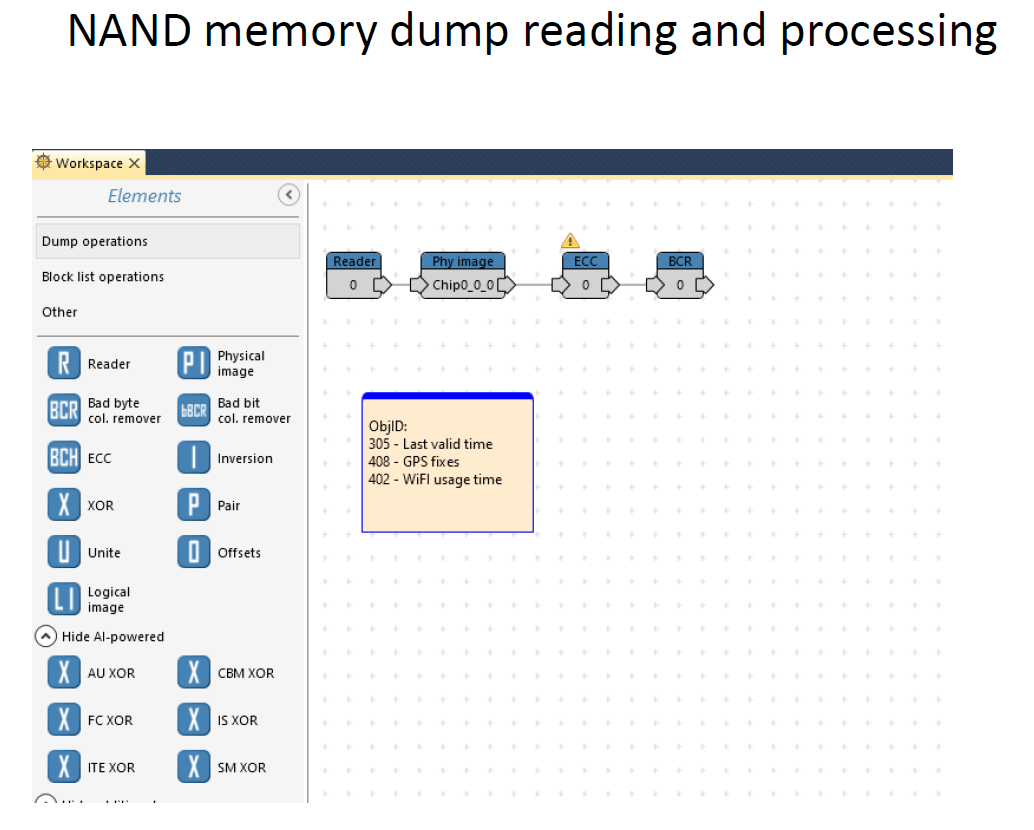
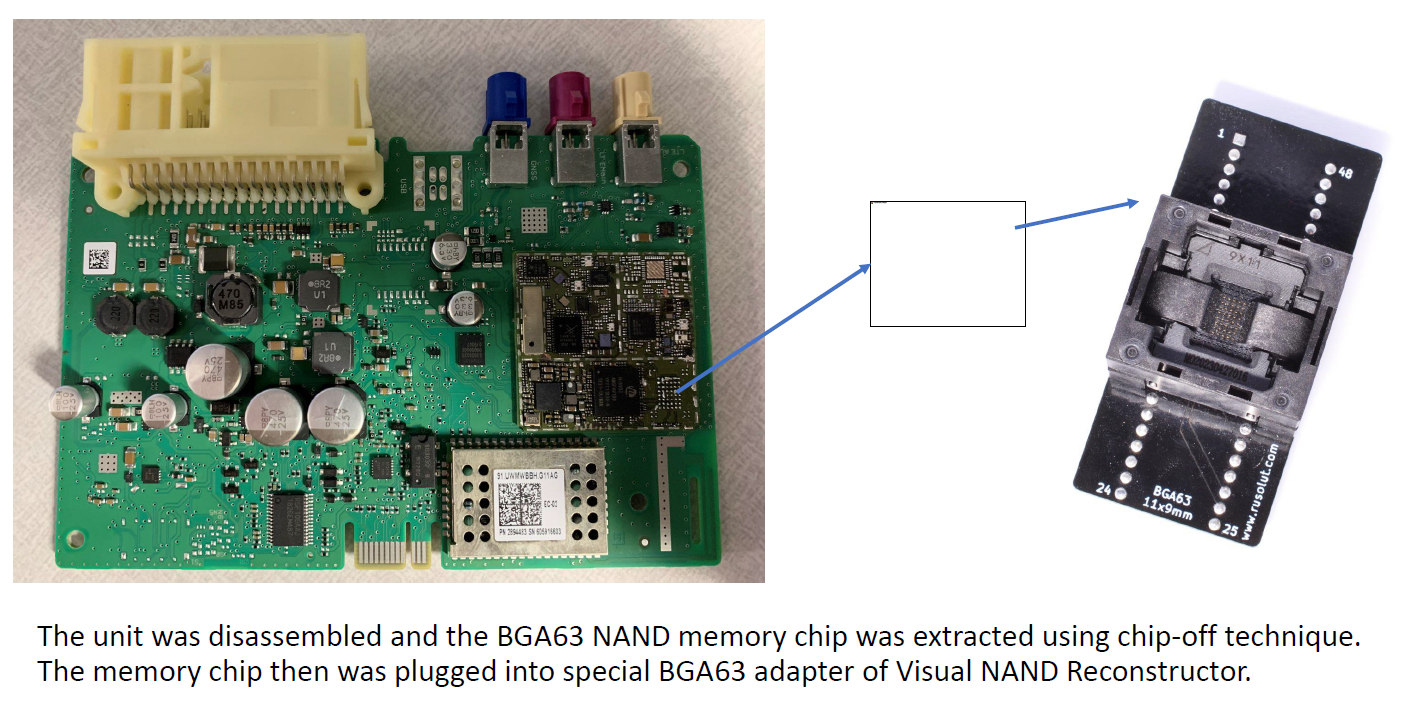
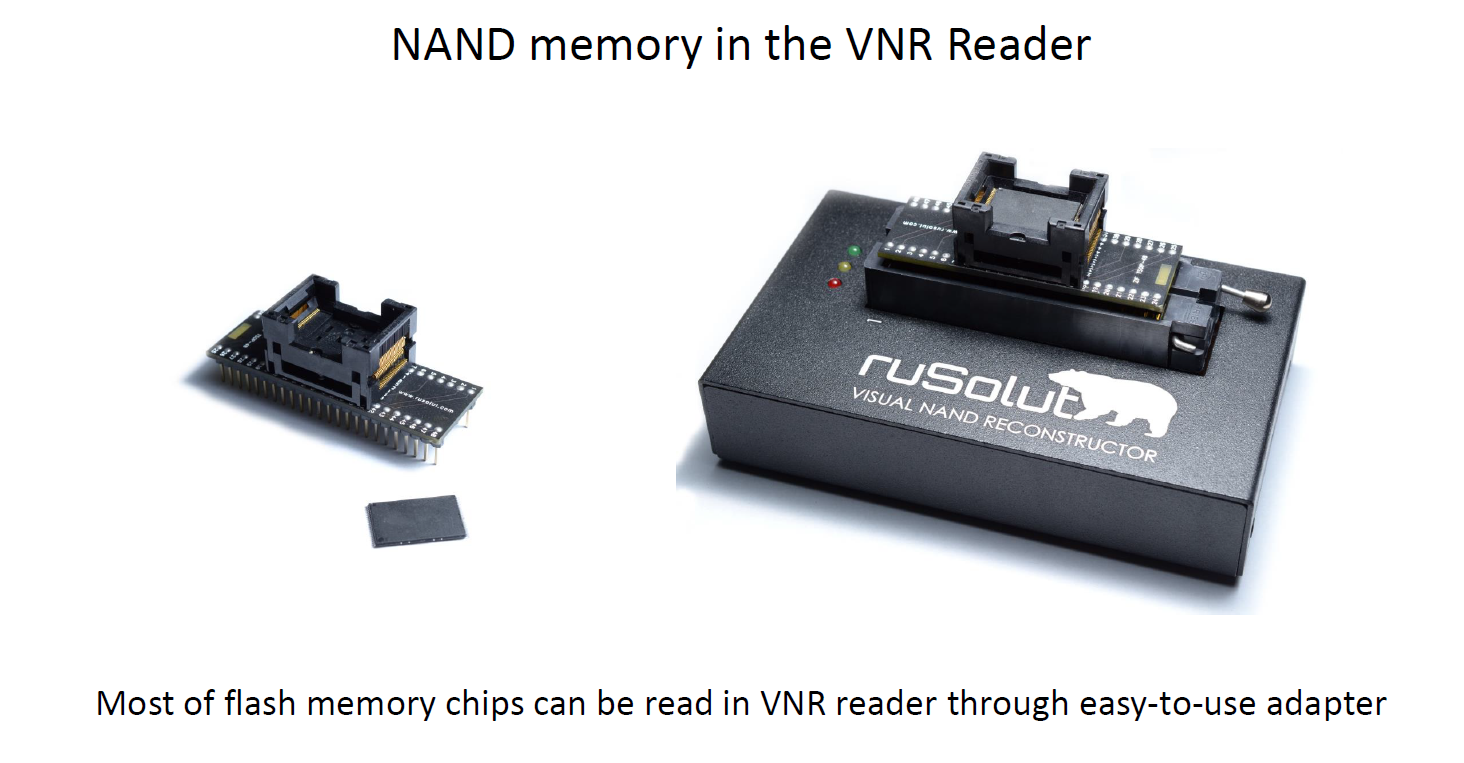
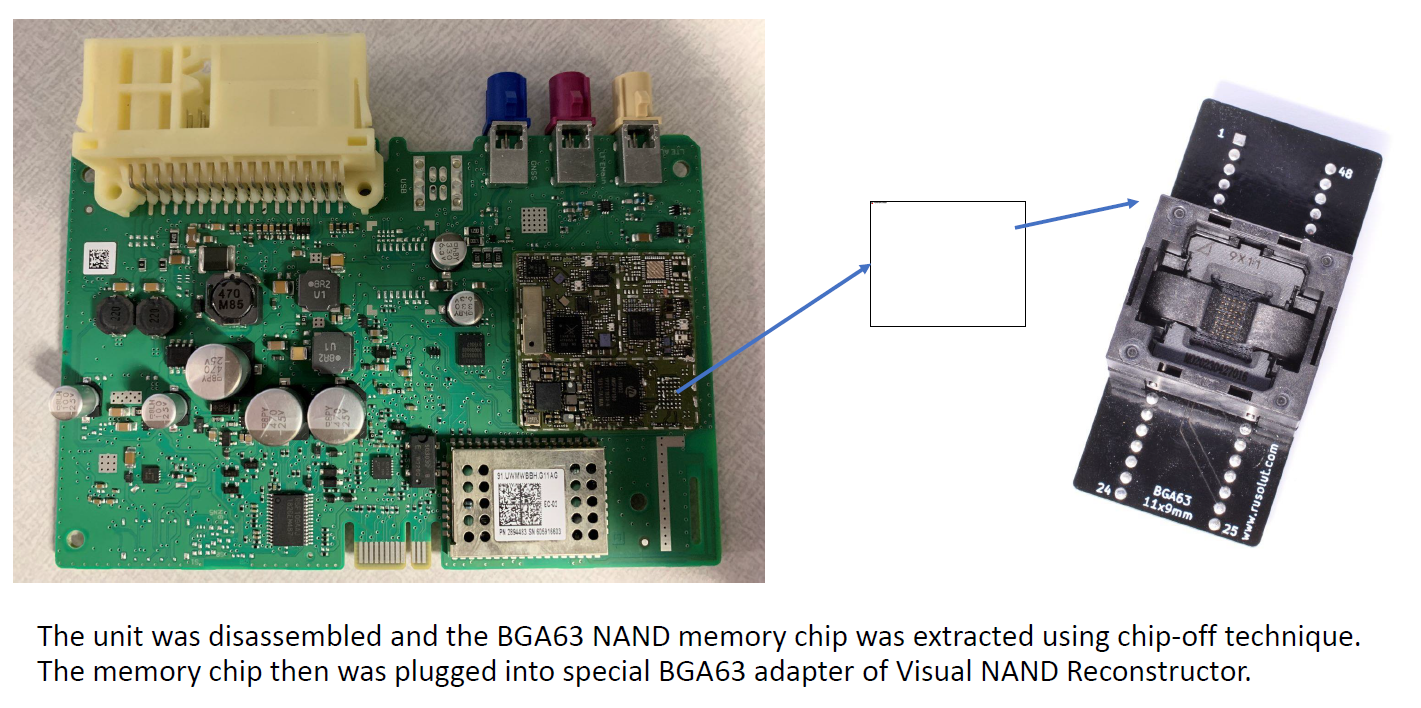
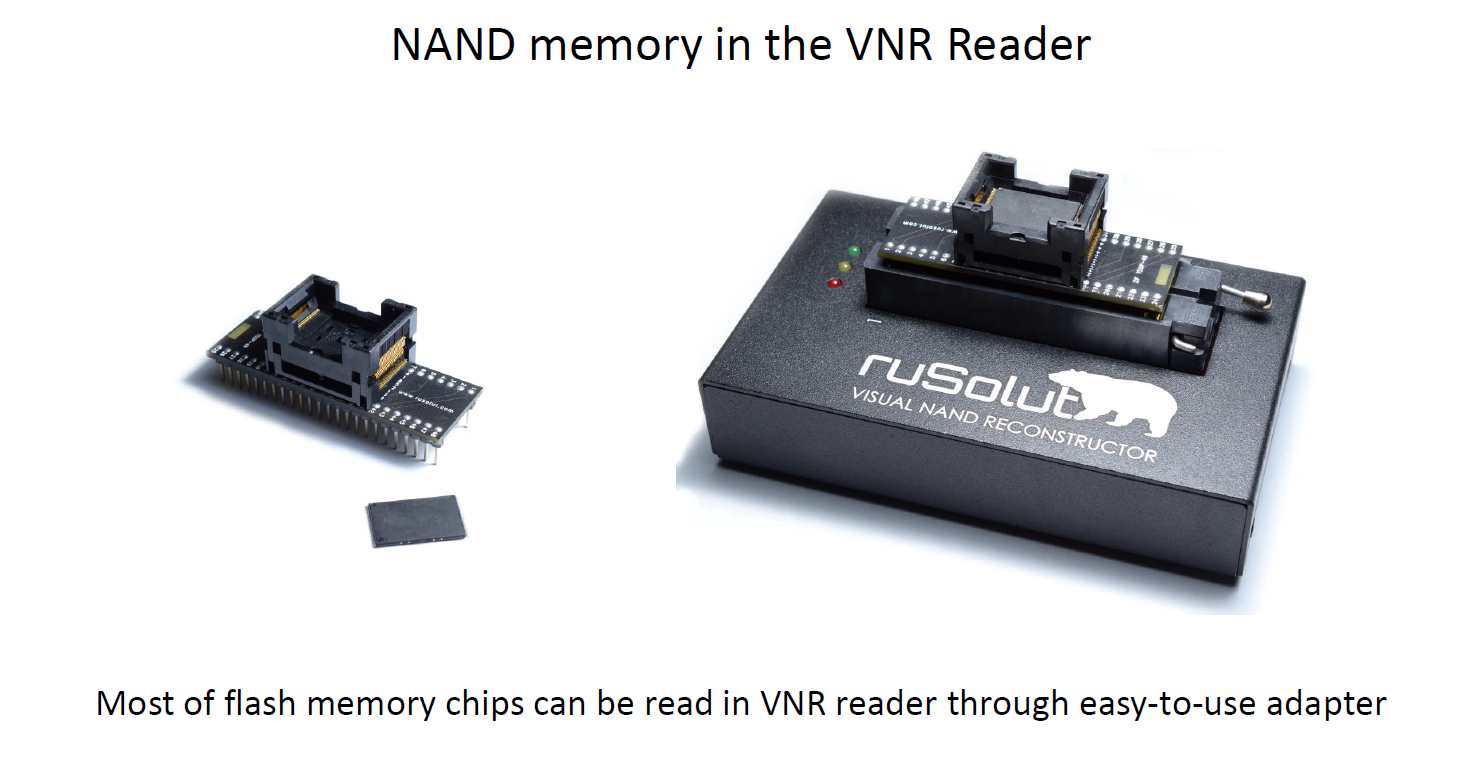
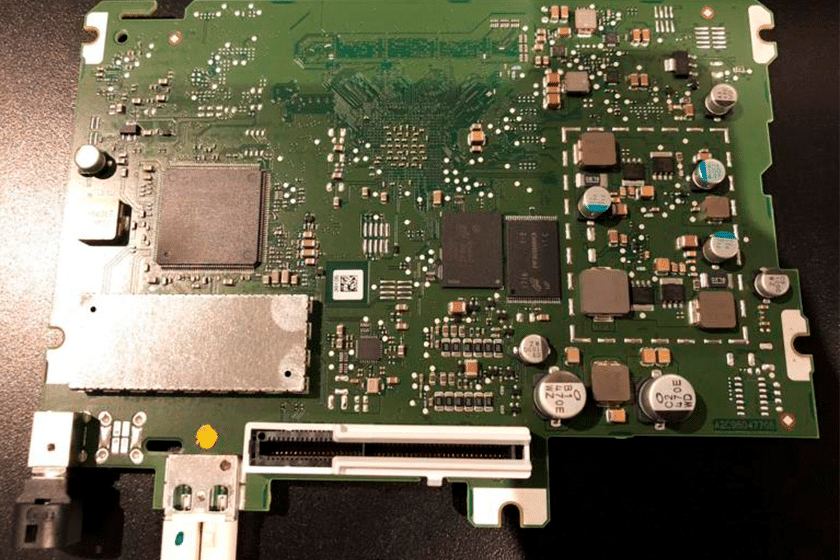
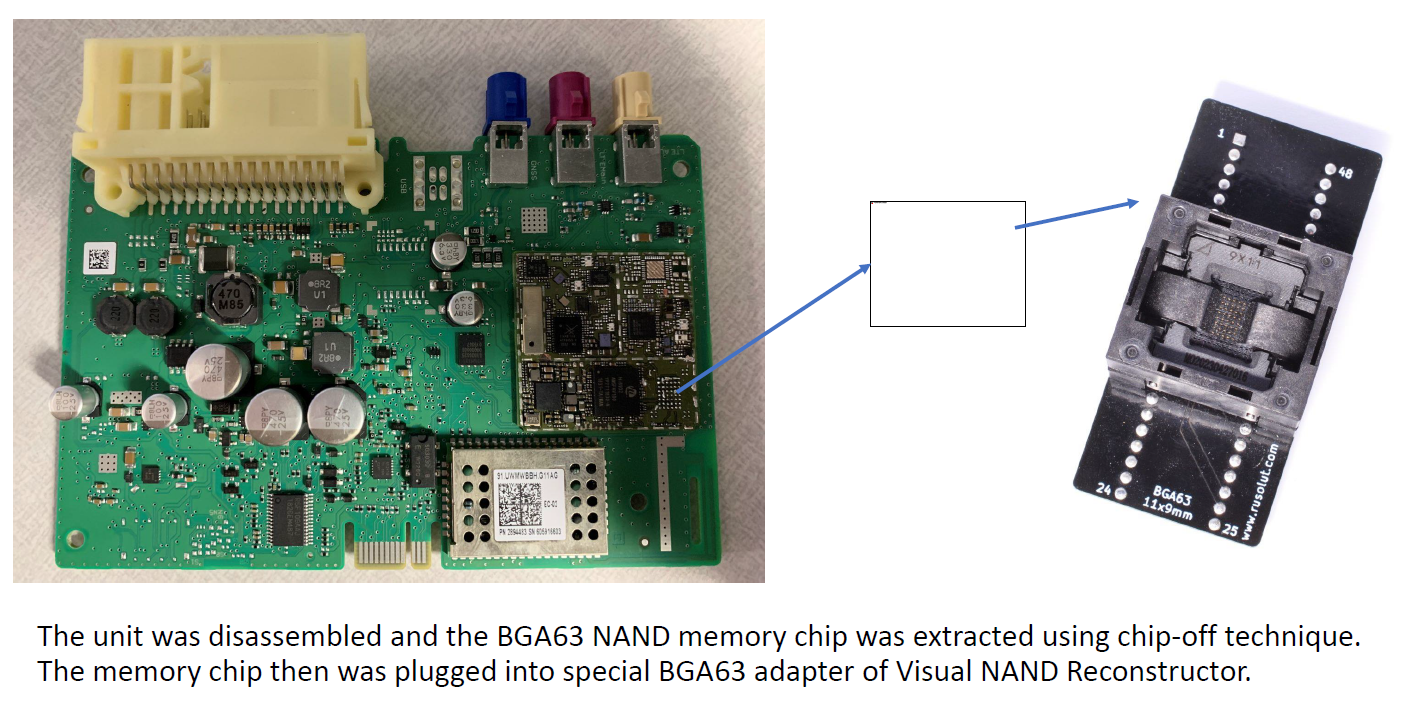
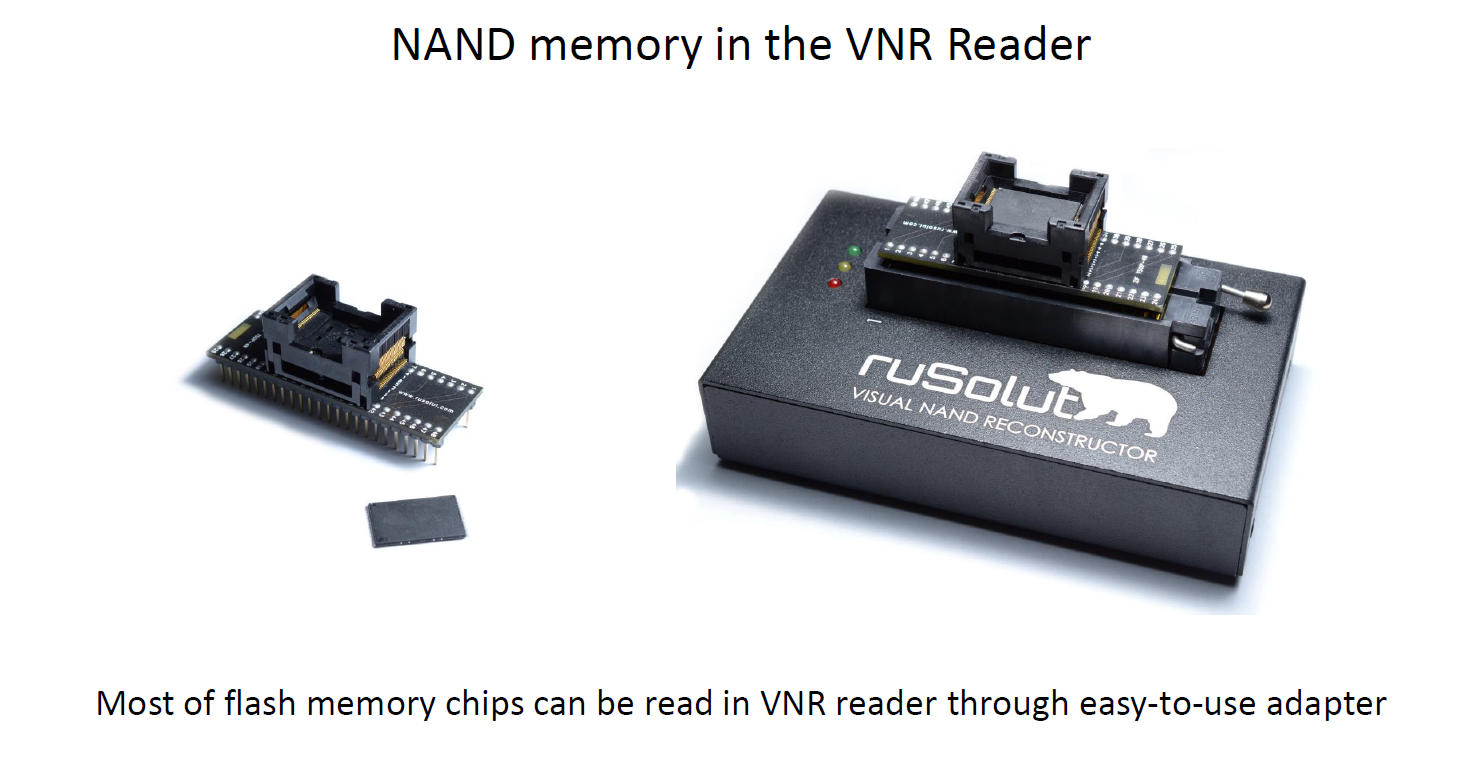
The methods for acquiring infotainment data vary depending on the module being interrogated. We always use non-destructive methods if possible. However, we offer the destructive method for your consideration if it is the only way to verify the data. This requires the removal of memory chips from printed circuit boards using a method known as "chip off."

Data we can extract
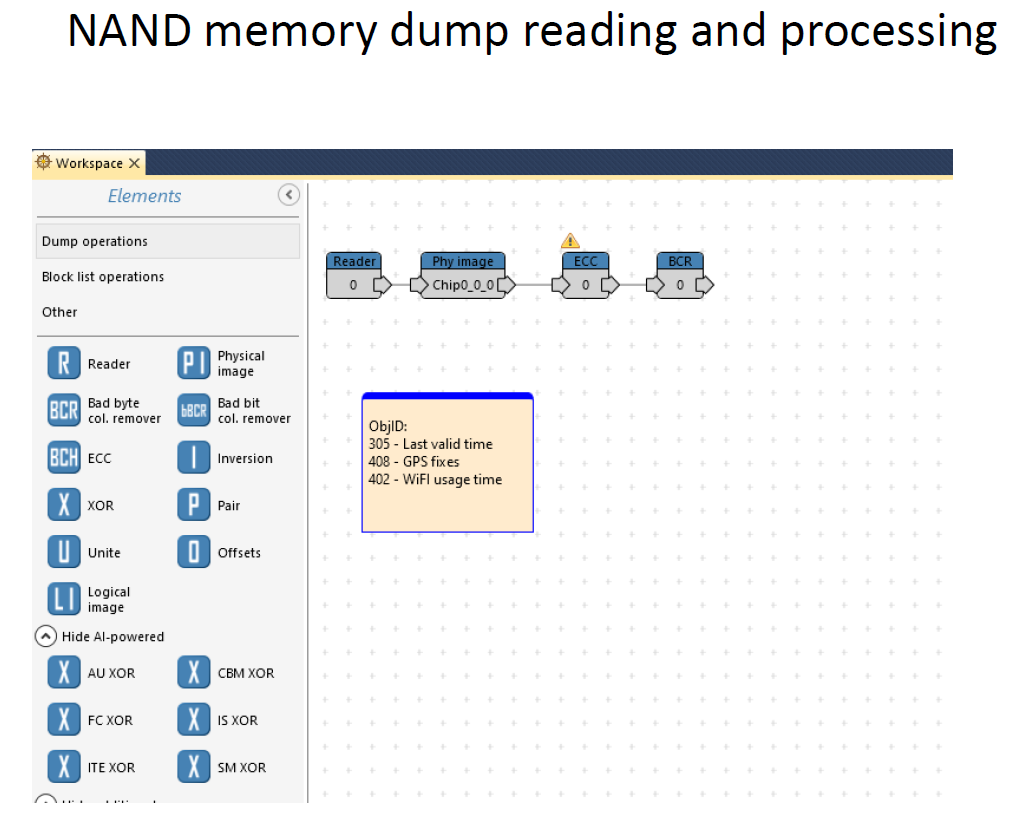
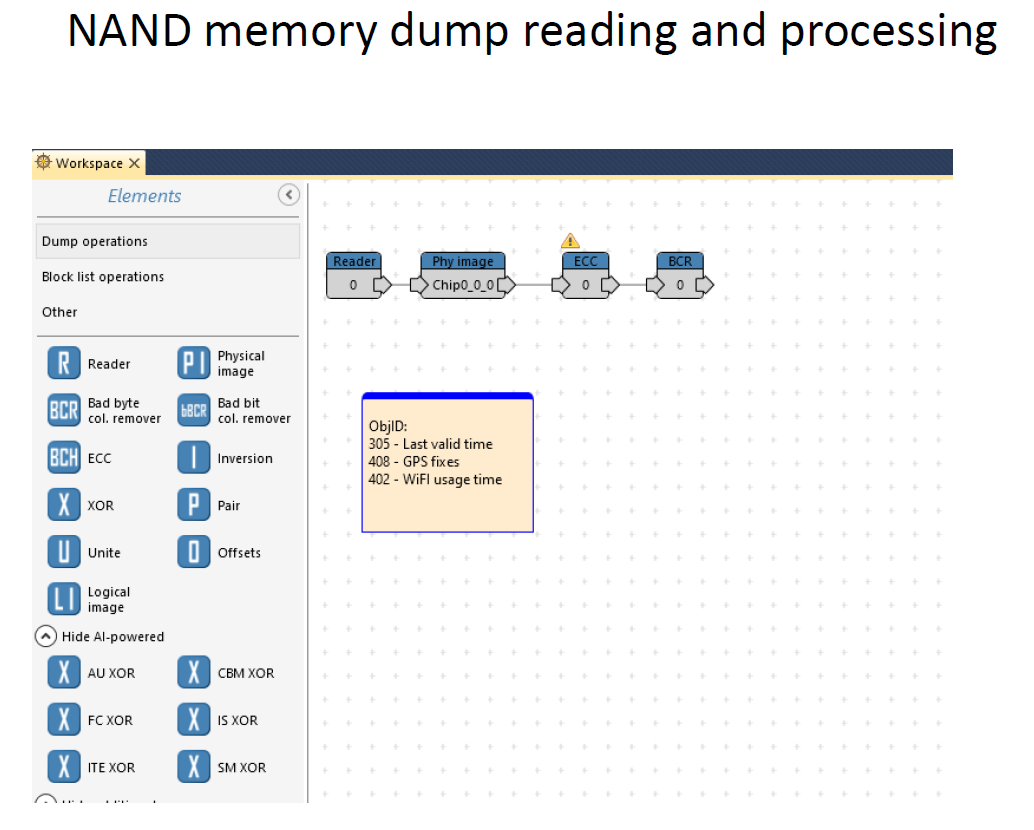
Using specialized hardware and software, we can download a vehicle's memory and extract:
- Paired devices with unique IDs
- Text messages (SMS)
- Call logs
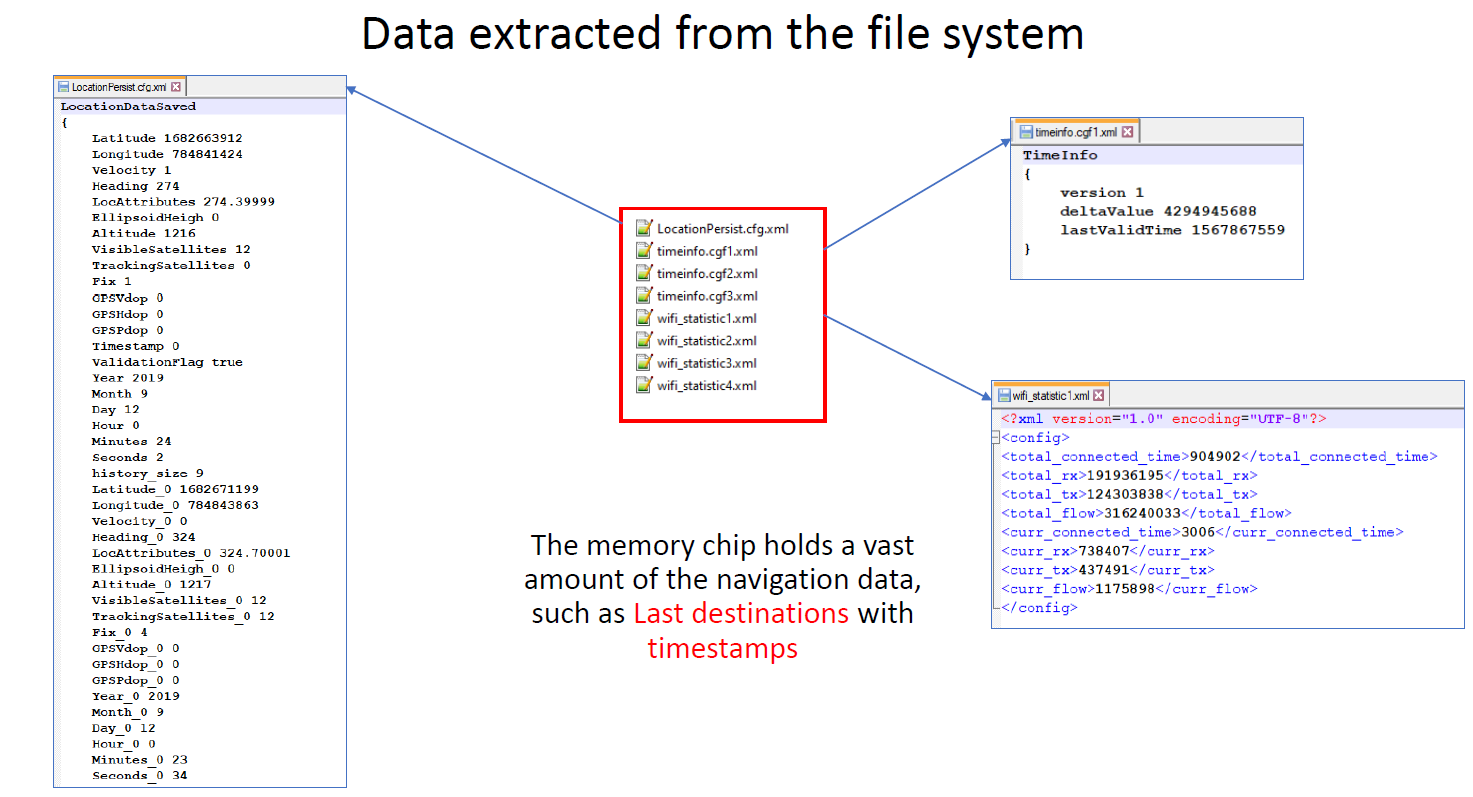
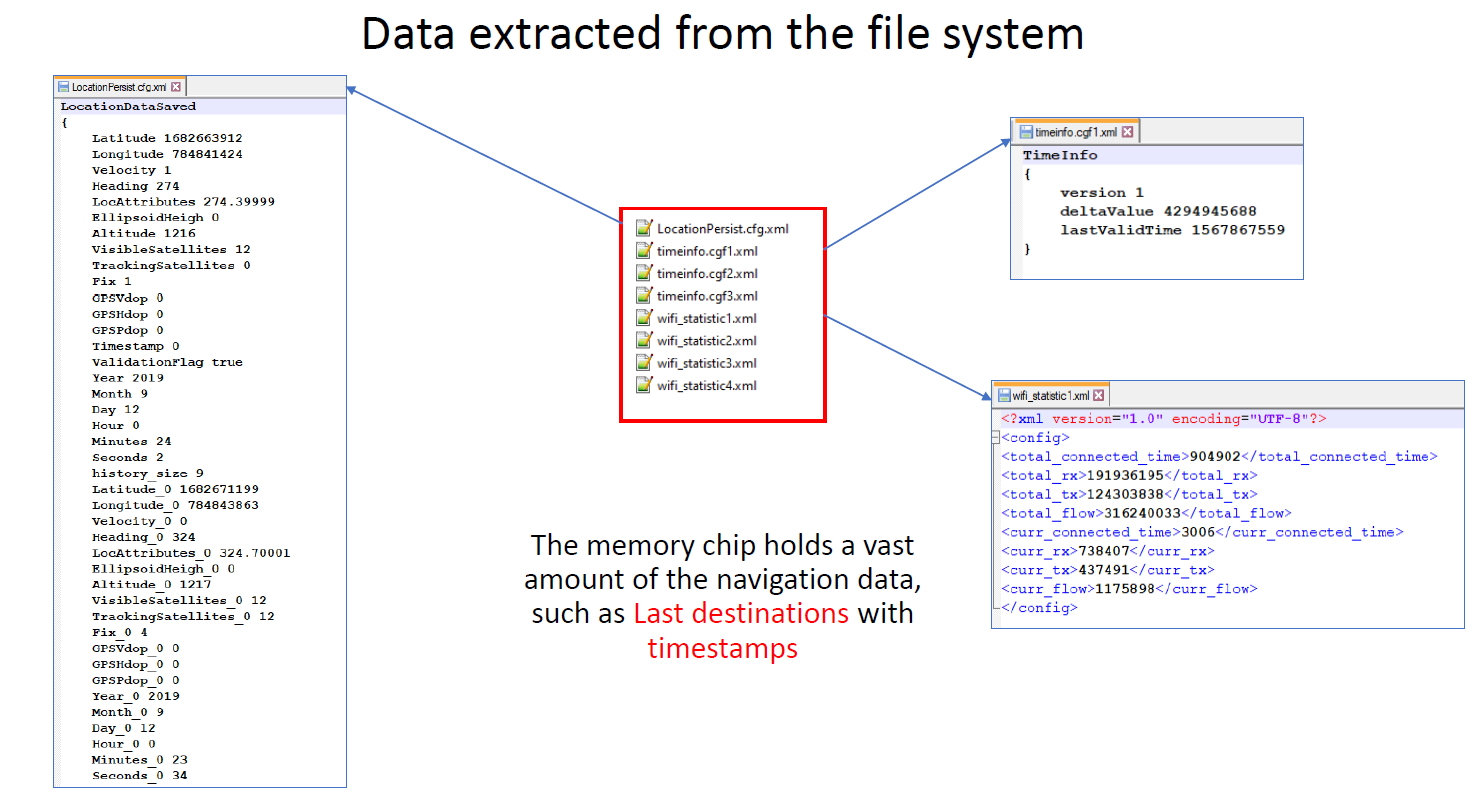
- Frequent locations
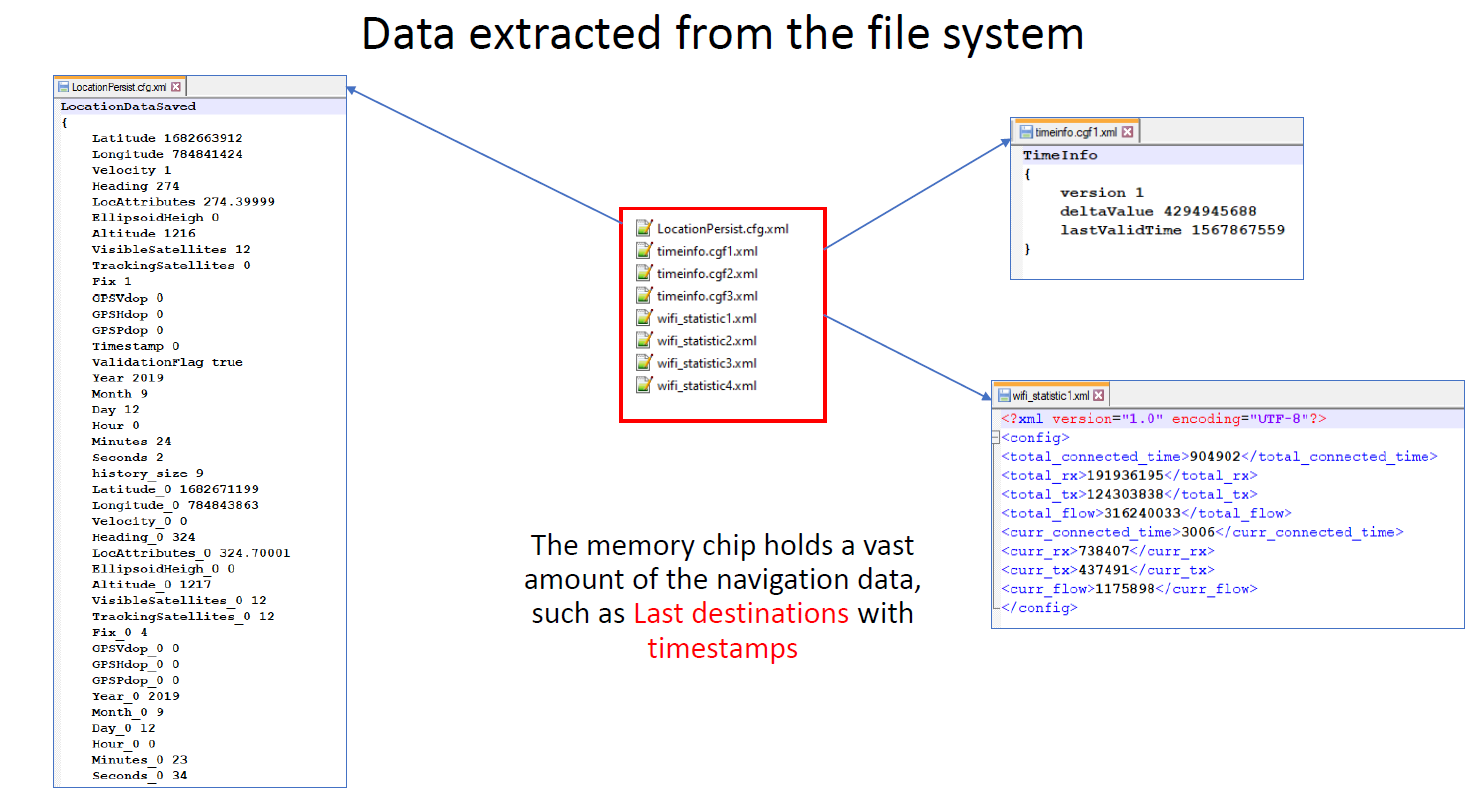
- GPS coordinates and travel info
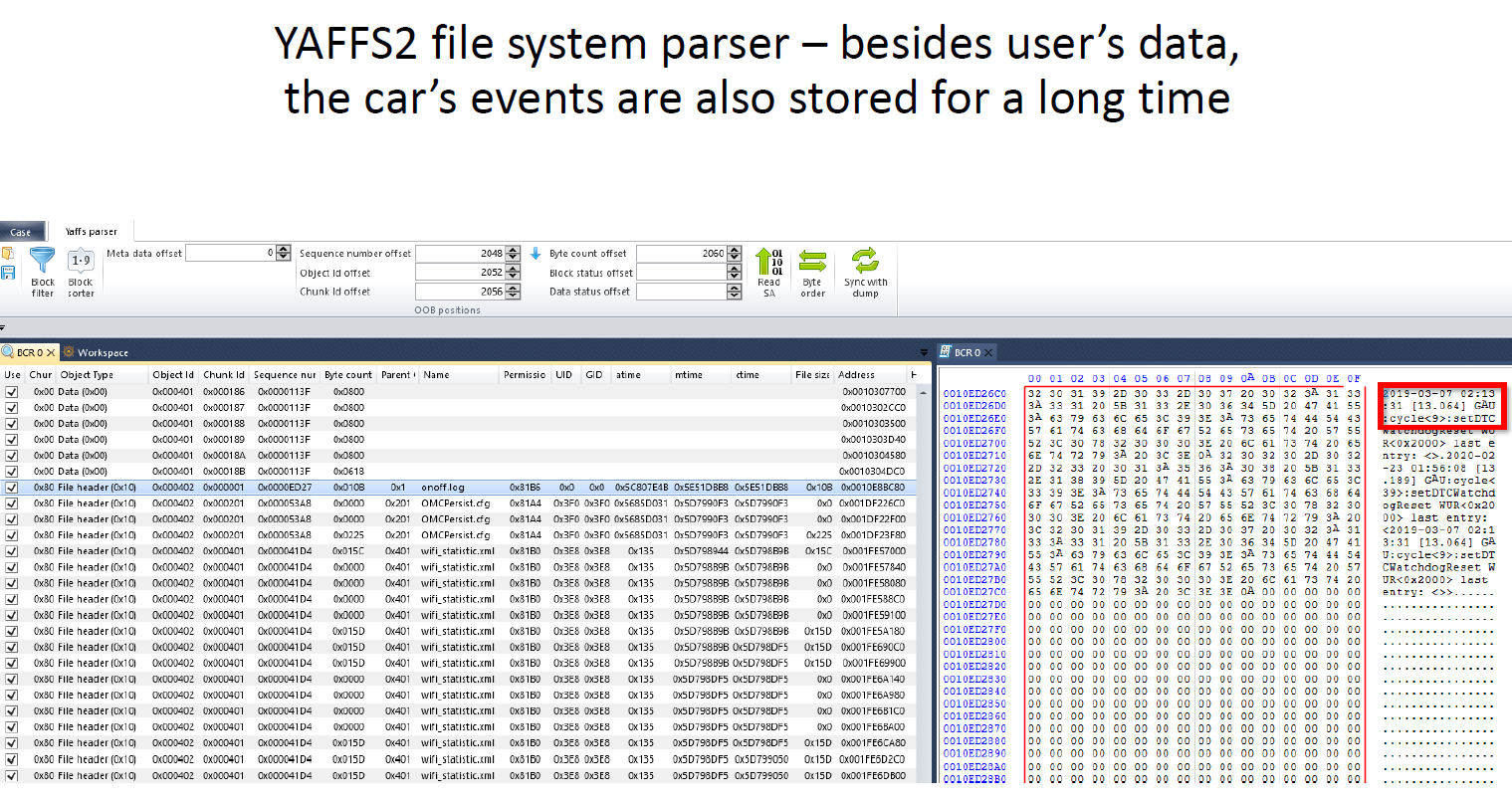
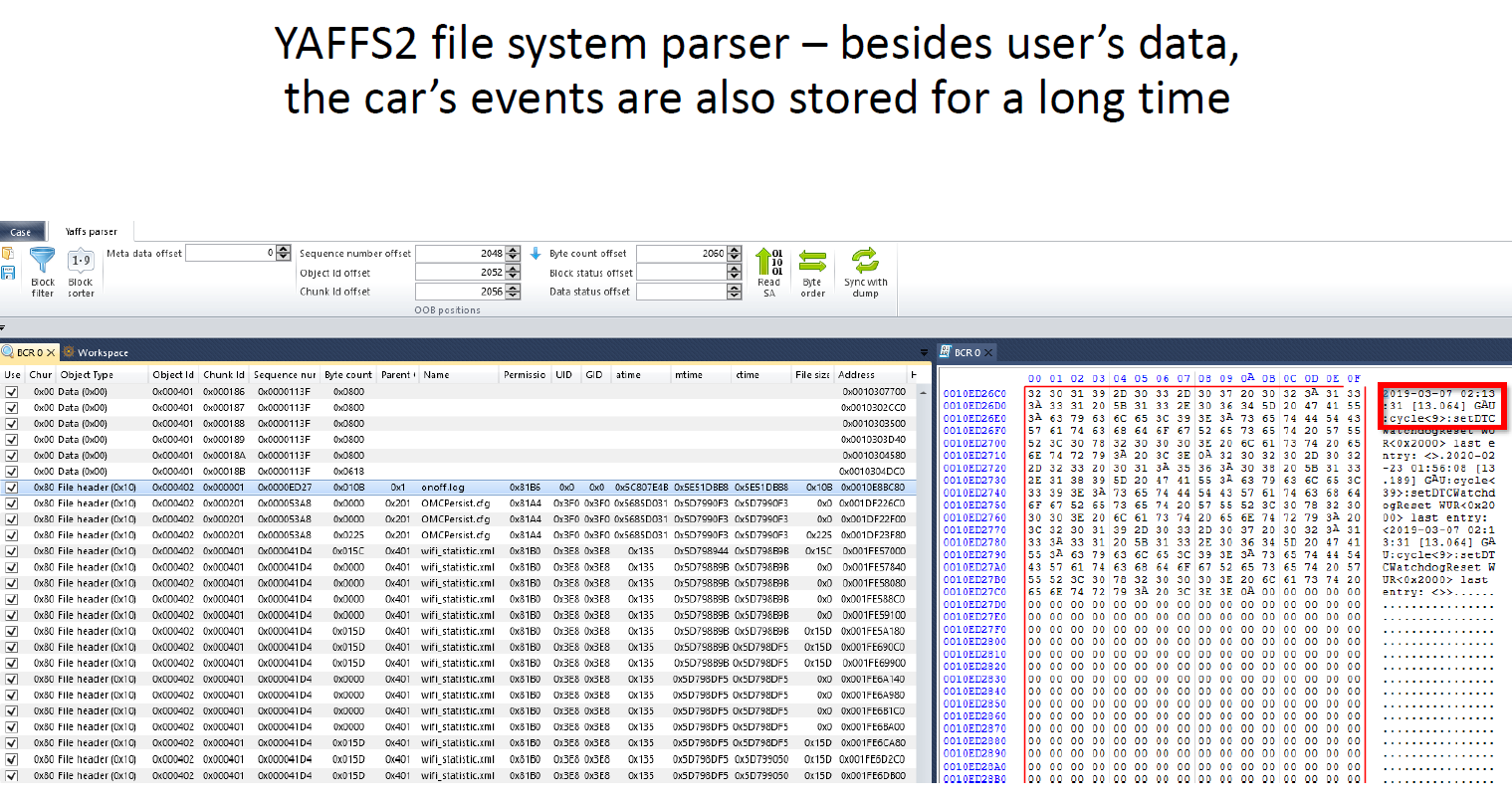
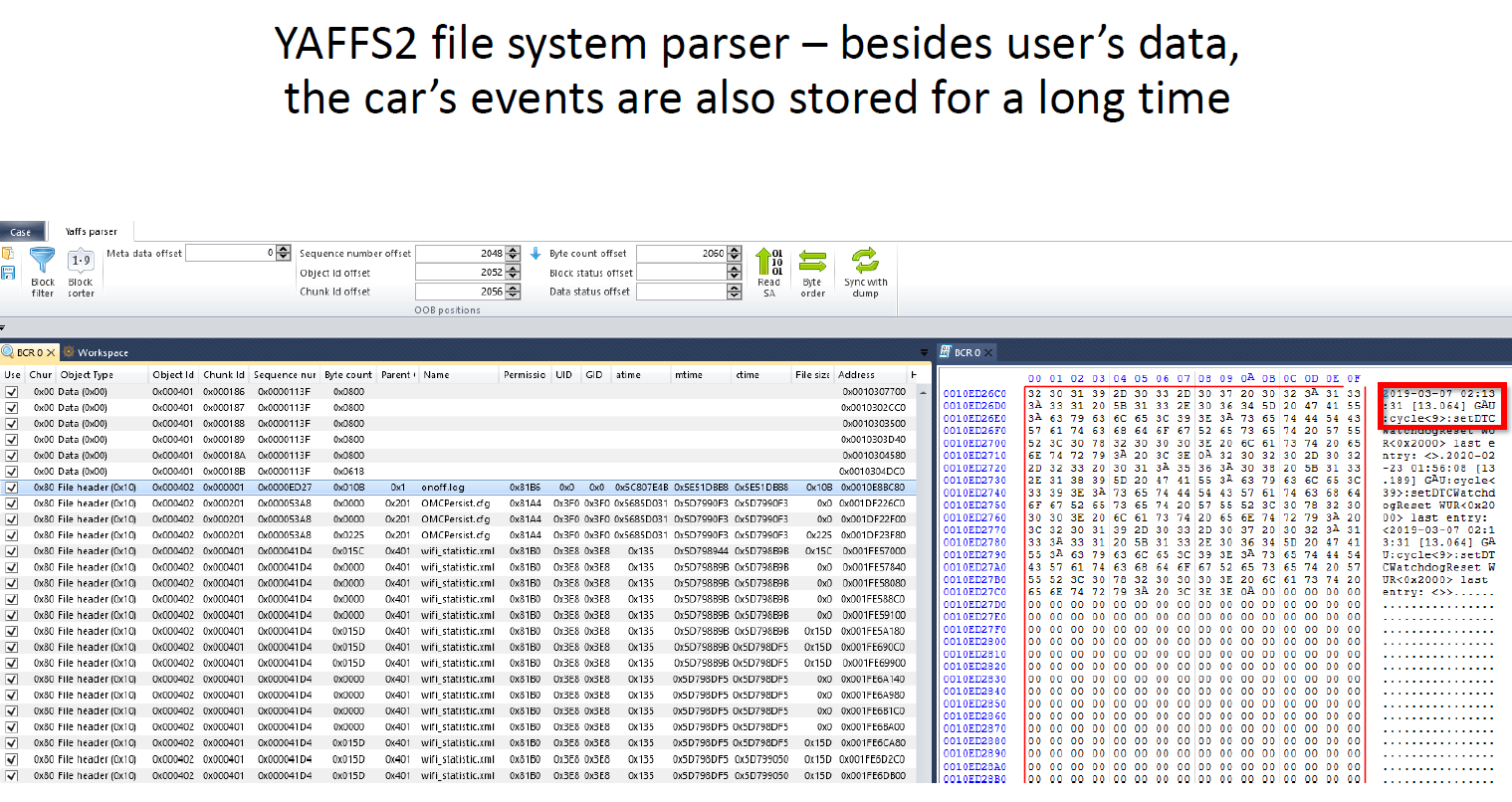
- Event data
- Gear changes
- Door opening/closing
- Abrupt acceleration events
- Harsh braking events
- Connecting USB devices
- Phone Connection
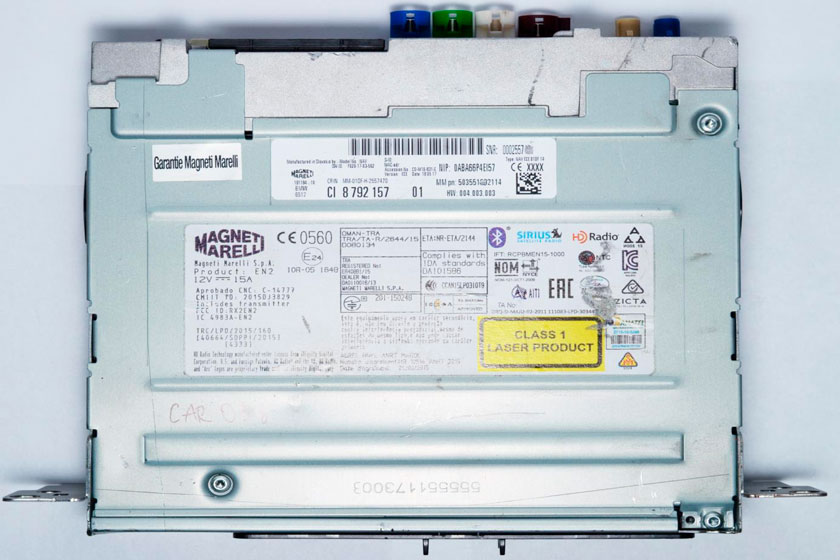
Infotainment systems
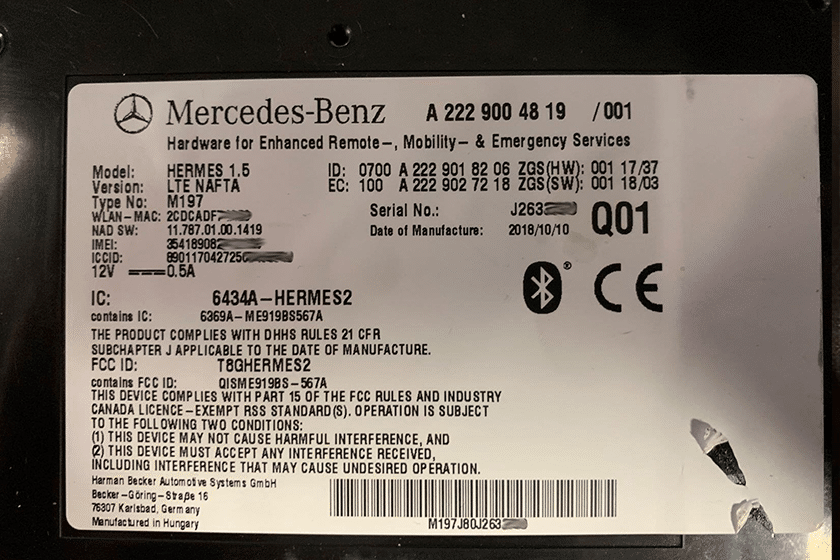
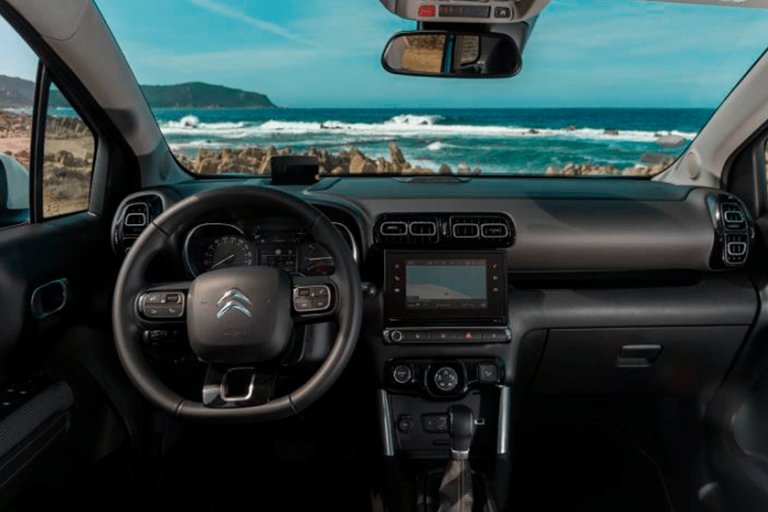
Every modern car has at least one data source. The phone connects via Bluetooth and data such as identification, contacts, call logs and SMS are synchronized. If there is GPS, data such as last destination, trips and fuel are stored. Car event logs also help establish activity.
Mercedes AMG C43

BMW 3 F 30

Citroën C3 Aircross
Apple CarPlay/Android apps for cars and vehicles
Vehicle systems forensics delves into this uncharted territory, taking advantage of the vast amount of information these systems collect during normal vehicle operation. From speed and location to driver usage patterns, this data can shed light on critical events, such as collisions or serious crimes.
Want to know more?
Vehicle Systems Forensics Experts
At Laby, we have the equipment, techniques, and knowledge necessary to access data from vehicle systems effectively. We are noted for our ability to work with a wide variety of vehicle models and are committed to keeping up with the latest technological advancements in the field of Vehicle Systems Forensics.
Data Extraction and Analysis Tailored to Your Needs
Our services include the extraction and analysis of data from infotainment systems, collision event logs, data from mobile devices connected to the vehicle, among others. We work closely with our clients to understand their specific needs and provide customized solutions that fit their requirements.
Accident Data
At present, most vehicles are equipped with an event data logging device. This mechanism captures the moments leading up to an accident or a near-accident event, and can provide details such as:
- Were the seat belts connected?
- The speed of the car
- Were the brakes applied? If yes, when?
- What was the angle of the steering wheel?
- Was the car hit from behind or from the front? Or first from behind, then from the front? Or from the side? Etc.
- Certain driver inputs for about 5 seconds before a crash
- Vehicle crash severity signature
- Post-crash data, such as activation of an Automatic Collision Notification (ACN) system
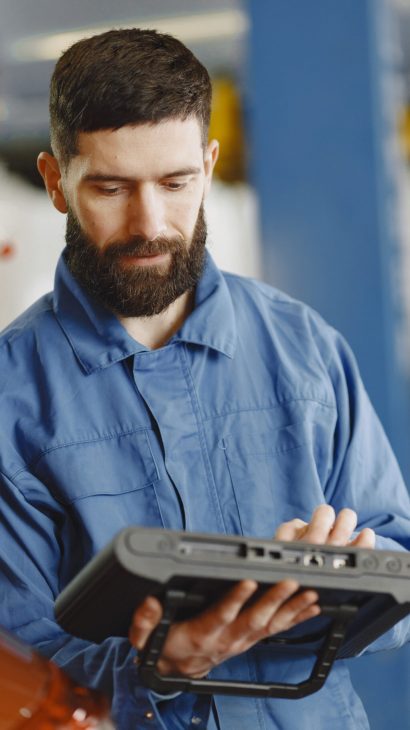
We can locate and extract the vehicle event data recorder and download all available data using our industry-leading equipment and skills.
This data can be invaluable to accident investigators and insurance companies in helping to determine exactly what happened and who, if anyone, was responsible, especially in cases where there are no witnesses or witness statements are conflicting.
The information and event recorder data mentioned above can often provide access to information not available in any other way. This can be especially useful when combined with mobile phone data extracted from drivers.
Using all of these valuable data resources, we can build a clearer picture than ever before of what exactly occurred during an accident.
Certifications and recognitions
ISO 9001
Laby has a quality management system certified in accordance with the international standard ISO 9001:2015, ensuring efficient processes, continuous improvement and a high level of satisfaction in each project.

INCIBE
Laby is registered with the National Institute of Cybersecurity (INCIBE), reinforcing its commitment to best practices in cybersecurity, digital protection and information security.
ISO 27001
Laby has an information security management system certified according to the international standard ISO/IEC 27001:2022, guaranteeing the confidentiality, integrity and availability of data.
The Vehicle Forensics Process
Initial Classification
We start when you provide us with the vehicle registration or identification number (VIN). We develop a Vehicle Systems Forensic Investigation (IFSV) strategy based on our detailed knowledge of vehicle systems and our specialized expertise. This strategy guides our actions for data collection.
Inspection
On-siteWe implement our strategy by going to the vehicle site to carry out an IFSV inspection, maximizing data collection opportunities and rigorously following established quality management protocols. Depth varies depending on the make, model, and specifications of the vehicle.
In the laboratoryWe accept modules recovered from a vehicle for analysis in our laboratory. All procedures are documented and time-stamped to meet the standards required in this forensic activity.
Conclusions
Report of findingsFollowing data collection, both internal and external, a detailed summary of the findings will be prepared and presented to the relevant parties. This will be done following the established procedures, ensuring transparency and integrity in the forensic analysis process.
Frequently asked questions about vehicle forensic analysis
Vehicle forensics is a discipline dedicated to analysing and recovering data from the electronic systems and the multiple control units (GPS, Bluetooth, engine unit, brakes, airbags, etc.) of vehicles, in order to investigate and clarify accidents, fraud and other incidents involving automobiles.
- Accident investigation: Determining the causes and circumstances of road accidents.
- Insurance fraud: Detecting and analysing fraud related to insurance claims.
- Vehicle theft: Recovering and analysing data to investigate vehicle thefts.
- Warranty claims: Verifying compliance with warranty terms and detecting abuse.
- Performance analysis: Studying vehicle performance to identify mechanical or electronic faults.
- Electronic systems analysis: Diagnosis of electronic components and the vehicle's control modules.
- Data recovery: Extraction and analysis of data from systems such as the EDR, GPS, Bluetooth and other sensors.
- Accident reconstruction: Using data to recreate the sequence of events in an accident.
- Tampering verification: Detecting alterations or tampering in the vehicle's systems.
- Legal consultancy: Provision of reports and testimony in judicial proceedings related to vehicle incidents.
- Data extraction: Using specialised tools to access and download data from the vehicle's systems.
- EDR analysis: Evaluation of Event Data Recorder data, including speed, braking and seat belt use.
- GPS evaluation: Analysis of location data to map the vehicle's routes and movements.
- Infotainment systems review: Recovery of call, message and navigation data.
- CAN Bus analysis: Monitoring the vehicle's communications bus to understand the interactions between different systems.
- Accident site inspection: Collection of physical and digital evidence at the scene of the incident.
- Vehicle data recovery: Extraction of data from modules such as the EDR and other relevant sensors.
- Photographs and videos: Visual documentation of the accident and damage to the vehicle.
- Interviews and testimony: Gathering statements from witnesses and vehicle occupants.
- Telemetry analysis: Study of telemetry data to understand the vehicle's behaviour before, during and after the accident.
- Experience and certifications: Ensuring that the professionals are certified and have experience in vehicle forensic analysis.
- Up-to-date technology: Verifying that advanced, up-to-date tools and techniques are used.
- Impartiality: Selecting experts who maintain an objective and neutral stance.
- Reputation and references: Reviewing the professionals' reputation and seeking references from previous clients.
- Communication skills: The expert should be able to present and explain their findings clearly and understandably.
- Precision in the investigation: Provides a detailed and accurate analysis of the vehicle's data.
- Dispute resolution: Helps to resolve legal and insurance disputes efficiently and with technical backing.
- Fraud prevention: Identification of fraudulent claims and data manipulation.
- Obtaining objective evidence: Obtaining electronic evidence that is difficult to refute.
- Improved safety: Contributes to improving vehicle safety through the identification of faults and areas for improvement in the vehicle's systems.